
This Is Not the Autism People Like to Talk About
Every April I watch the same thing happen.
Autism Awareness Month arrives and suddenly everyone wants to talk about autism. Buildings turn blue. Puzzle pieces show up everywhere. Politicians post supportive messages about the autism community.
I understand why people do it. I really do.
But families like mine have been living this reality for decades, and awareness has never been the problem.
My son Aidan has profound autism. He is nonverbal. He cannot explain when something is wrong. He cannot take care of himself. He needs help with the most basic parts of daily life that most people never even think about.
That is not something he will grow out of. That is his life. And it is the life thousands of families across this country are living every single day.
The Spectrum Is Not One Experience
For years everything was simply called autism. That word covered everyone, from people who can live independently and have careers to individuals who require lifelong care.
Those are not the same experiences.
Some individuals with autism can advocate for themselves, go to college, and live independently. Their voices are important and they deserve to be heard. But that is not the reality for my son.

The term profound autism exists because there is a large group of people on the spectrum who will never be able to live independently. Many are nonverbal. Many need help with eating, dressing, and basic safety.
Researchers estimate that about 30 percent of the autism population falls into this category.
And autism rarely comes alone.
Seizures. Severe anxiety. OCD. Sensory disorders. Medical complications that make daily life far more complex than most people realize. When you are raising a child with profound autism, you are not dealing with one diagnosis. You are dealing with an entire medical and behavioral reality that never takes a day off.
What Happens When Our Children Become Adults?
When children with profound autism are still in school, there is at least some structure around services. There are therapists, special education programs, and teams of people involved.
Then those services end. That is when many families discover how fragile the adult system really is.
Group homes and residential programs are supposed to provide stability and care for individuals who need it. And there are many dedicated people working in those homes who truly care about the individuals they support.
But the system itself is struggling.
The people responsible for caring for our children manage medications, behaviors, seizures, doctor visits, and daily routines. It is incredibly demanding work.
Yet many of those workers are paid wages that barely compete with entry level retail jobs. So they leave.
And when they leave, someone new walks in the door and has to learn everything about a person who may not even be able to communicate their needs. Families see that instability immediately. Because when the system struggles, our children are the ones who pay the price.
There are agencies that are supposed to oversee these programs. Regulations exist. Inspections exist. But if you talk to parents of individuals with profound autism, you will hear the same thing again and again.
We watch everything.
We ask questions.
We follow up.
We document what is happening.
Not because we want to interfere, but because our children cannot advocate for themselves. No parent should feel that they have to monitor a system that is supposed to protect their child.
Yet many of us do.
This Is Why Policy Matters
Recognizing profound autism is not about dividing the autism community. It is about acknowledging reality.
Policies built around independence and employment cannot address the needs of individuals who will require lifelong care. Housing, staffing, oversight, and medical coordination become the real issues.
Families like mine are not asking for sympathy. We are asking policymakers to recognize that the autism spectrum includes individuals who will always need protection, support, and care. Ignoring that reality does not make it disappear.
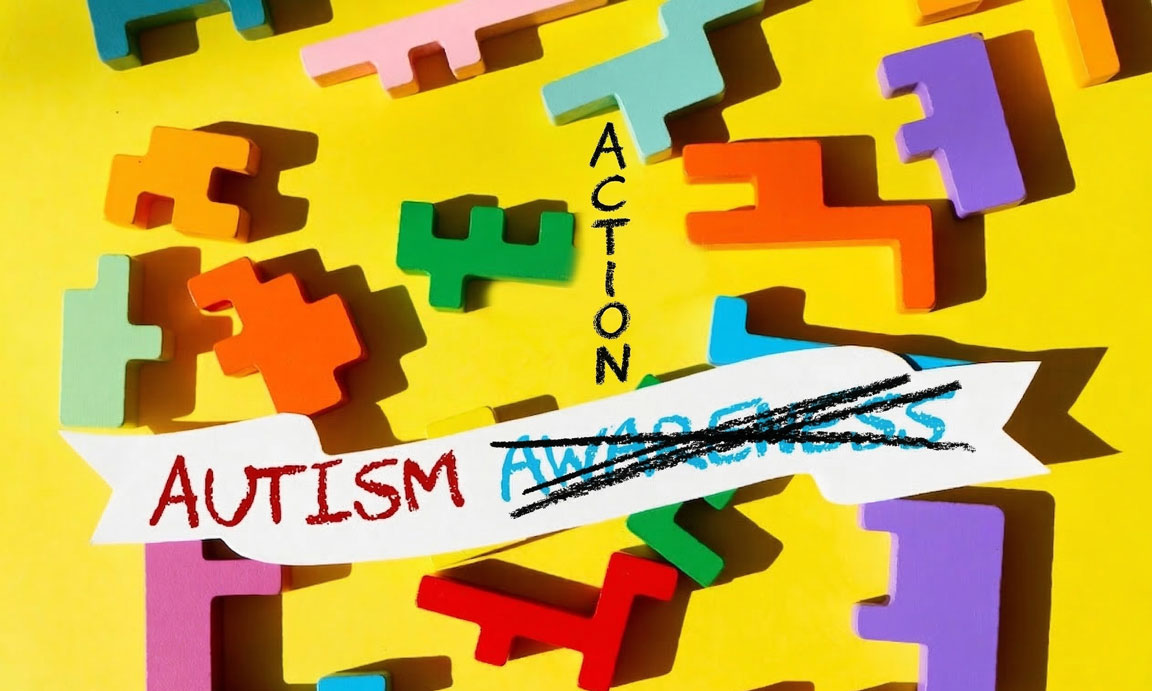
Awareness Is Not Enough
Autism Awareness Month helped start an important conversation years ago.
But awareness does not train caregivers.
It does not stabilize group homes.
It does not protect individuals who cannot advocate for themselves.
Those things require action.
Families like mine are not asking people to raise awareness anymore. We are asking them to start fixing the system.