As I mentioned in my previous post, Are New Jersey Group Homes DDD Compliant?, New Jersey group homes legally require staff members to complete a training program during their first 90 days of employment. While this training program is a boon to group homes, it does not solve the rampant negligence and abuse experienced by many group home residents. In an attempt to improve the quality of care given to those with developmental disabilities and mental health needs, the Department of Human Services (DHS) recently pushed $3 million into a program designed to enhance the training of direct support professionals (DSPs).
What Is a Direct Support Professional?
Historically, DSPs primarily served as caregivers for the people they supported. In the past few decades, however, the needs of those served began to change, and the roles of DSPs began to change as well. Today, the role of a DSP goes beyond caregiving and focuses more broadly on supporting people with disabilities to participate fully in their communities, live in integrated settings and seek competitive integrated employment (CIE). Some of the roles of a DSP include:
- Supporting engagement with the community by providing:
- Support in less congregate and more individualized settings
- Job coaching
- Employment support
- Transportation
- Using creative thinking for accommodations to help people with disabilities be more independent
- Providing caregiving and support with activities of daily living, including:
- Medication administration
- Mobility assistance
- Wound care
- Accessing food
- Working with the people they support to Advocate for rights and services, such as:
- Accessing resources and opportunities in the community
- Working with the employer to customize job duties
- Providing emotional support
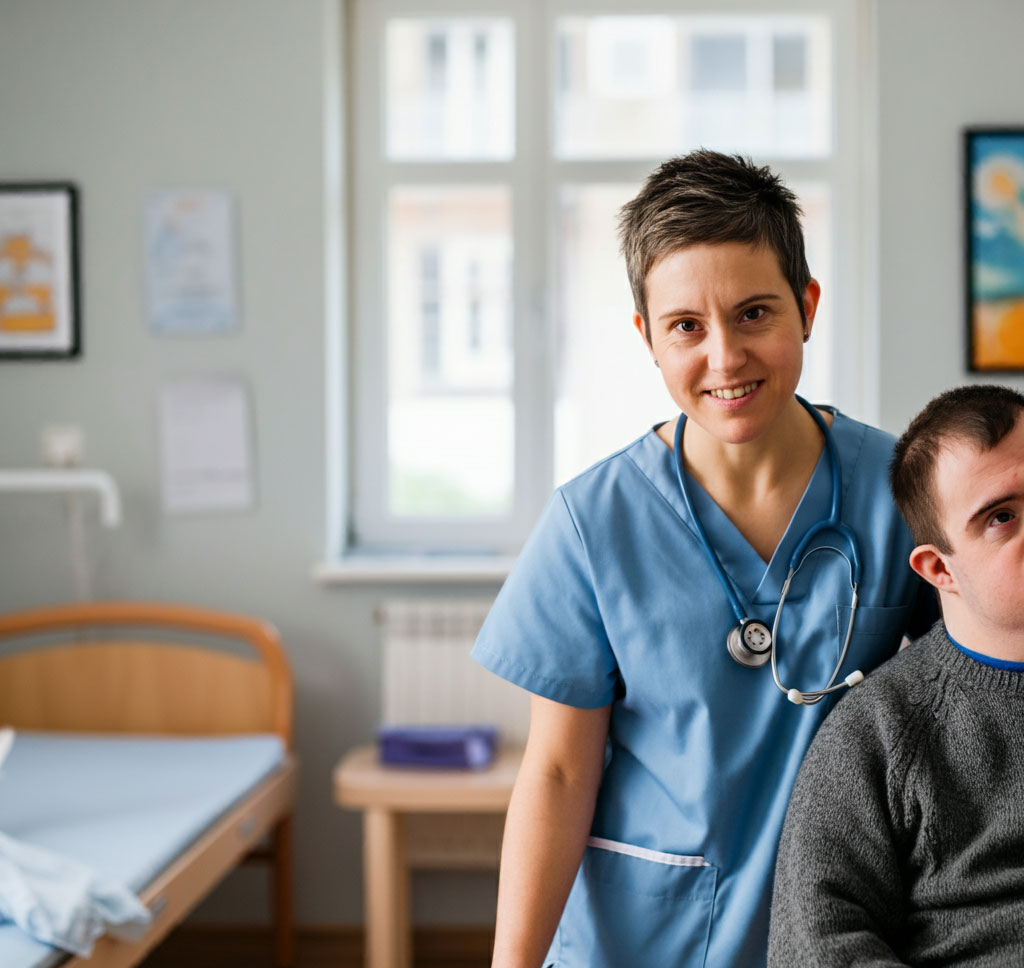
As you can see, a DSP’s responsibilities are broad and largely depend on their employment and workplace circumstances. New Jersey group homes employ thousands of DSPs throughout the state and play an integral role in providing care and support to group home residents.
How Does the DHS Plan On Elevating DSP Training?
According to New Jersey’s DHS, the $3 million will help pay for DSPs to obtain the National Association of the Dually Diagnosed (NADD) Competency-Based IDD/MI Dual Diagnosis Direct Support Professional Certification.
The National Association of the Dually Diagnosed (NADD) Competency-Based IDD/MI Dual Diagnosis Direct Support Professional Certification
The NADD DSP Certification program focuses on five key competencies, including:
- Assessment and Observation
- Behavior Support
- Crisis Prevention and Intervention
- Health and Wellness
- Community Collaboration and Teamwork
Intro to NADD DSP Certification
This video provides a brief overview of the NADD DSP Certification. If you’re in a rush, fast forward to the 4-minute and 25-second mark, where they actually begin discussing the certification.
The DHS Plan
Under the plan, up to 3,000 DSPs will receive the NADD DSP Certification. Providers must have at least 10 percent of their eligible DSPs seek the professional certification, but can enroll all if they choose. Providers are encouraged to identify and enroll DSPs at programs or sites where they are supporting at least one individual with an intellectual and/or developmental disability and co-occurring mental health needs. The DDD intends to collect data throughout the course of this project to evaluate the program’s success.
“This certification will help validate and provide assurance to individuals, families, and employers that a DSP has met the standards for delivering services to individuals with developmental and/or intellectual disabilities and co-occurring mental health needs,” Deputy Commissioner for Aging and Disability Services Kaylee McGuire said. “It adds another level of professionalization to the DSP career path, while enhancing the quality, efficacy, and consistency of service delivery for individuals. This is all about investing in DSPs and the quality of care for the individuals they serve.”
Under the $3 million plan, the state will allocate $1,000 per participating employee to successful bidders. Successful bidders may not use funds from this grant for any purpose other than NADD remittance and compensation of participating employees for the training and certification completion. Employee certification is the expected outcome.
“Direct support professionals make a tremendous difference in the lives of people with intellectual and developmental disabilities,” DDD Assistant Commissioner Jonathan Seifried said. “With this certification, we are helping ensure individuals with intellectual and/or developmental disabilities and co-occurring mental health needs are getting the best quality care to meet their needs.”

How Will This Program Impact New Jersey Group Homes?
Unfortunately, we will not be able to answer this question in the near future. While I believe it will positively influence the quality of care group home residents receive, this program alone is not enough to make a significant impact. The information collected by the DDD to evaluate this program will be crucial for implementing broader changes in the future.
The New Jersey Department of Human Services has an annual budget of over $9 billion, with approximately $110 million allocated to the DDD. While I understand that the DHS is responsible for much more than supporting group homes, $3 million is a drop in the bucket.
Budgeting aside, New Jersey simply needs to do more to provide its residents with special needs the support they require and deserve; however, it is somewhat encouraging to see that we are making small steps in the right direction.